
Introduction
Understanding the root cause helps you take control. Diabetes mellitus occurs when your cat’s body cannot properly regulate blood sugar. This usually happens due to insufficient insulin production or cellular resistance. When left untreated, high blood sugar wreaks havoc on vital organs.
Managing this condition requires a solid daily routine. You must master recognizing warning signs early. Proper insulin administration keeps blood glucose stable. Meanwhile, shifting to low-carb wet food meal plans transforms metabolic health. This comprehensive guide walks you through every essential step. Let us explore how you can become your cat’s best healthcare advocate today.
Spotting Early Feline Diabetes Symptoms
Recognizing the earliest warning signs saves lives. Cats are notorious for hiding illness. They mask vulnerability until disease progresses significantly. Therefore, observant cat parents play a critical role. You must watch for subtle behavioral shifts daily.
Excessive thirst serves as a primary indicator. You might notice your cat lingering near water bowls. Frequent trips to the litter box also signal trouble. Glucose spills into urine, drawing excess water with it. Consequently, your cat drinks more and urinates heavily.
Understanding Insulin Care and Administration
Insulin therapy intimidates many new pet owners. The thought of using needles triggers instant anxiety. Fortunately, modern pet insulin syringes feature ultra-fine needles. Most cats barely feel the tiny prick during injection. With practice, the process becomes routine.
Consistency remains the golden rule of insulin care. You must administer injections at exact twelve-hour intervals. This strict timing keeps blood glucose levels stable. Skipping doses or shifting times causes dangerous glucose spikes. Always feed your cat before giving insulin.

The Power of Low-Carb Wet Food Meal Plans
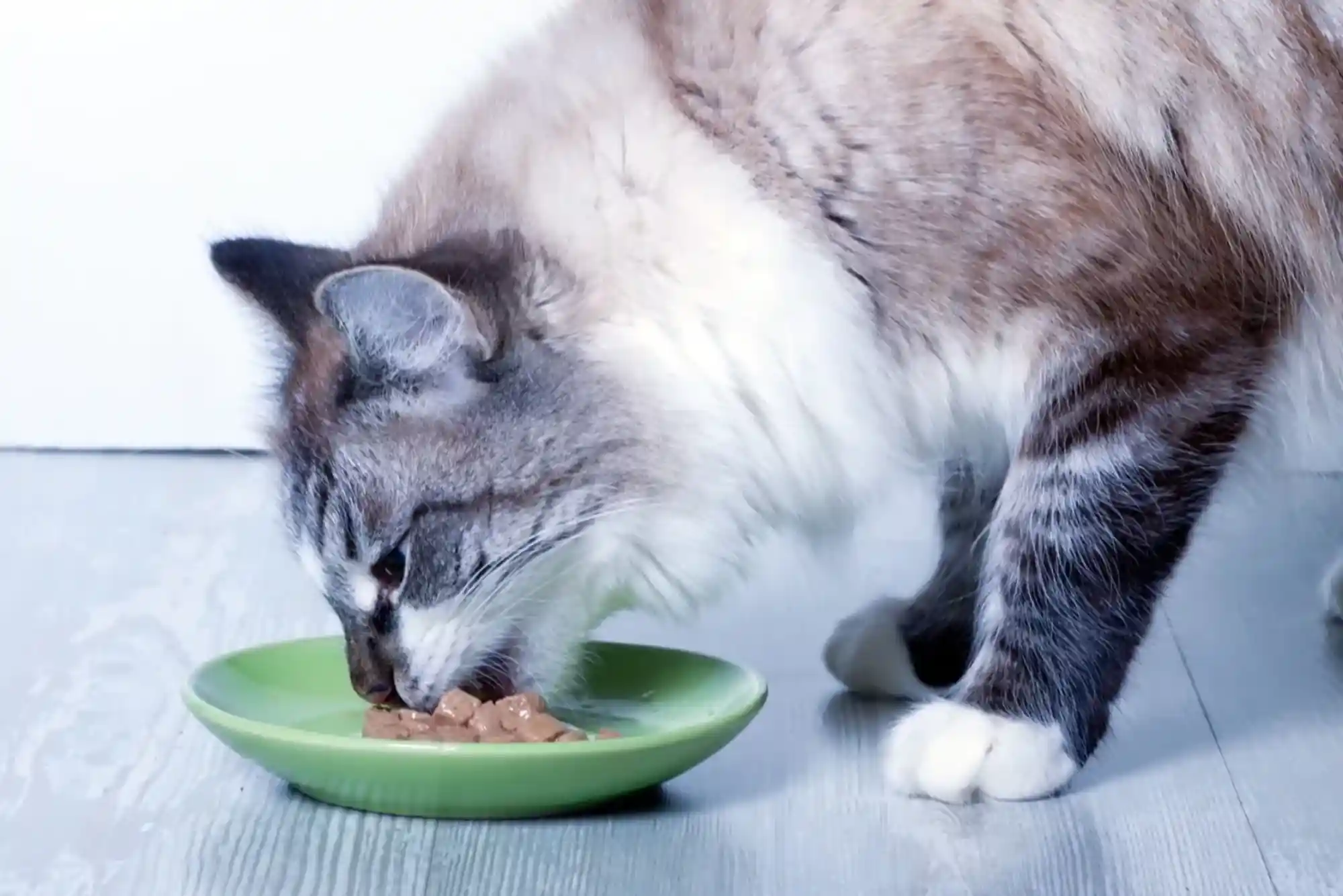
Dietary management forms the cornerstone of feline diabetes care. Traditional dry kibble contains excessive carbohydrates. Grains, peas, and potatoes elevate blood sugar rapidly. Transitioning to low-carb wet food meal plans mimics natural feline diets.
Cats are obligate carnivores by biological design. Their digestive systems thrive on animal protein and moisture. Carbohydrates provide little nutritional value for felines. Eliminating dry food often reduces insulin requirements dramatically. Some cats even achieve diabetic remission through diet alone.
Crafting a Daily Routine for Success
Establishment of a predictable daily routine reduces stress. Cats find immense comfort in predictable scheduling. Feed your cat and administer insulin at identical morning hours. Repeat the exact same sequence every single evening.
Monitor your cat’s daily food and water consumption. Keep a dedicated journal tracking injection times and doses. Note any unusual behavioral changes or lethargy. This log proves invaluable during veterinary check-up visits. Data-driven insights lead to better medical adjustments.
Frequently Asked Questions
Can feline diabetes go into remission?
Yes, many cats achieve diabetic remission. Early diagnosis, insulin therapy, and low-carb wet food meal plans make remission possible. Diet change is often the driving factor.
How much do feline diabetes treatments cost?
Costs vary depending on veterinary care and insulin brands. Monthly expenses typically cover insulin, syringes, test strips, and specialized food. Budgeting helps manage these ongoing medical costs.
What are the emergency signs of hypoglycemia?
Hypoglycemia signs include extreme weakness, wobbling, tremors, and seizures. Rubbing corn syrup or honey on gums provides emergency help. Contact your vet immediately afterward.
Can I feed my diabetic cat homemade food?
Homemade diets are possible but require veterinary nutritionist guidance. Commercial low-carb wet foods ensure balanced nutrition easily. Never formulate raw diets without expert supervision.
How often should I test my cat’s blood sugar?
Testing frequency depends on your veterinarian’s recommendations. Newly diagnosed cats need frequent monitoring. Stable cats require fewer checks once routines are established.
Conclusion
Managing feline diabetes demands dedication and compassion. You do not have to walk this path alone. Your veterinarian remains your strongest professional ally. Together, you can build an effective wellness plan.
Start implementing these vital changes today. Observe your cat closely for any lingering symptoms. Establish strict insulin care and feeding routines. Switch your cat to nutritious low-carb meals right now.