
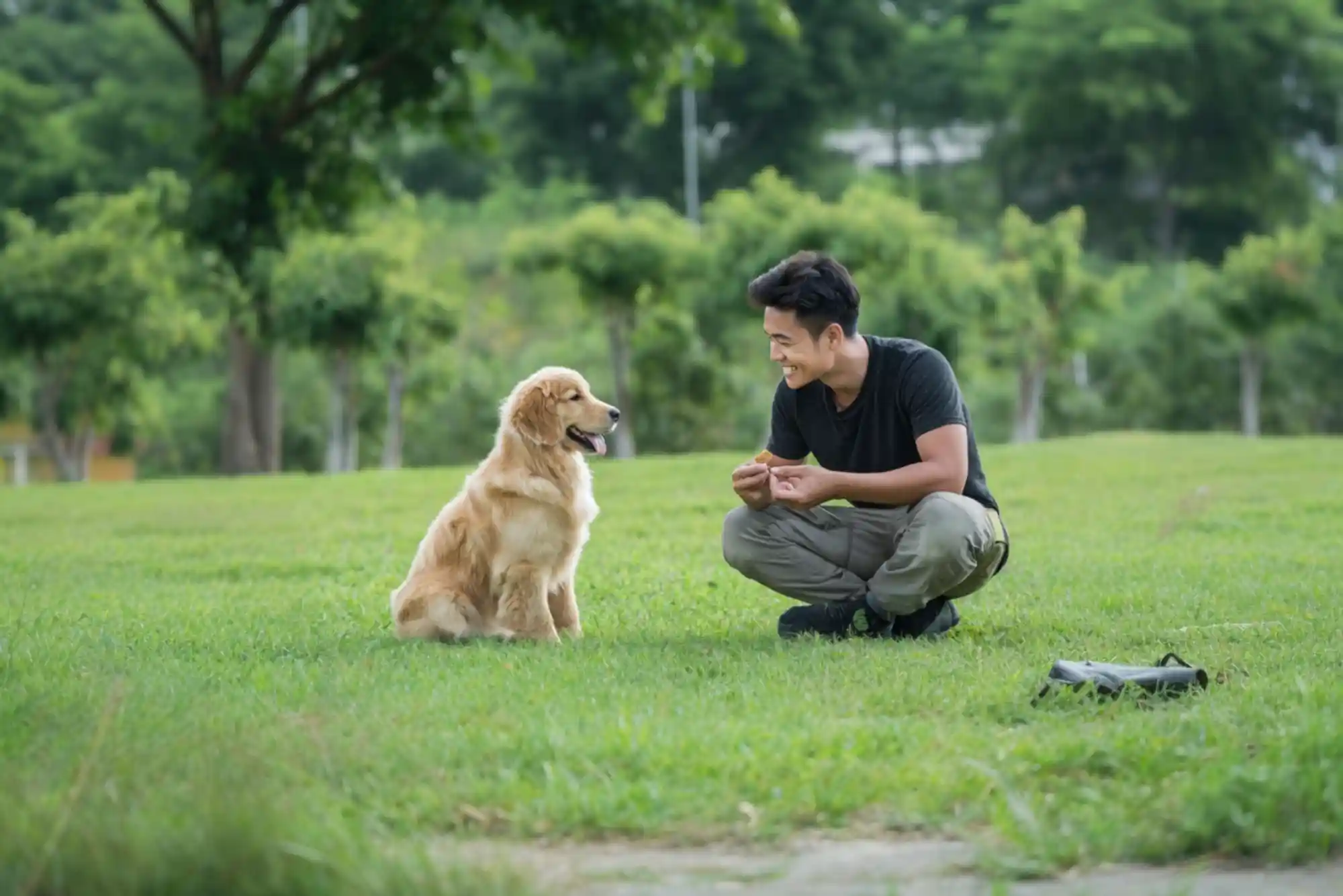
Introduction
Teaching your dog an emergency recall command is one of the most valuable safety skills you can build. A dog that immediately turns and runs toward you when called can avoid dangerous situations such as traffic, aggressive animals, open gates, toxic objects, or getting lost.
A normal “come” cue is useful for everyday situations, but an emergency recall should be treated differently. It needs to become a powerful, highly rewarding signal that your dog recognizes even when something exciting is happening nearby. The American Kennel Club considers recall one of the most important skills a dog can learn because a reliable response can potentially protect a dog from dangerous situations.
The good news is that reliable recall is not about finding a magically obedient dog. It is about building a strong association between your chosen cue and something your dog genuinely wants. With careful progression, positive reinforcement, and regular practice, you can make coming back to you an extremely rewarding decision.
What Is an Emergency Recall Command?
An emergency recall command is a special word, sound, or signal that tells your dog to immediately return to you when their safety may be at risk.
Unlike an ordinary recall, the emergency cue should have a very specific purpose. You might use an unusual word such as “Here!” or a distinctive whistle, provided your dog does not already associate it with another behavior.
The key is consistency. Once you choose your emergency recall command, avoid using it casually. You do not want the cue to become associated with ordinary situations such as getting into the car, leaving the dog park, taking a bath, or ending playtime.

A reliable recall is difficult because you are asking your dog to abandon something interesting and choose you instead. That is why the training needs to make returning to you extremely worthwhile.
Why Your Dog Needs a Separate Emergency Recall
Many owners use “come” for everything. They call their dog for dinner, baths, nail trims, leaving the park, getting into a crate, or stopping an unwanted behavior.
Over time, the dog may learn that “come” predicts something unpleasant or the end of something enjoyable.
This can create what trainers often call a “poisoned cue.” Instead of immediately responding, the dog hesitates because the word no longer has a consistently positive meaning. In that situation, introducing a fresh recall cue can be helpful.
An emergency recall command should have a different history. Ideally, hearing it should make your dog think, “Run to my person because something amazing is about to happen.”
That association takes time to build, so avoid testing the cue in genuinely dangerous situations before your dog has been properly trained.
Choose a Powerful Recall Cue
Your first step is selecting a word or sound that is short, distinctive, and easy to say under pressure.
You could use an unusual word, a particular whistle, or another sound your dog has never been trained to respond to.
Avoid choosing a phrase that you naturally say throughout the day. If you regularly say “come on” or “let’s go,” those words may not be distinctive enough.
Once you have selected your emergency recall command, protect it. Do not repeatedly say it when you already know your dog is unlikely to respond.
Repeating a recall cue again and again can teach the dog that the first several repetitions do not matter. Instead, make the exercise easier whenever your dog is struggling.
Create a Reward Your Dog Truly Loves
The reward is one of the most important parts of emergency recall training.
For ordinary obedience, your dog may happily work for regular treats. Emergency recall deserves something more valuable. Depending on your dog’s preferences, that could be tiny pieces of cooked chicken, turkey, cheese, a favorite soft treat, or an exciting game with a special toy.
The reward should be reserved primarily for this training.
Think of it as building a special bank account of positive associations. Every successful repetition adds value to the emergency recall command.
When your dog hears the cue and immediately turns toward you, reward generously. You want the dog to learn that responding to this particular sound is always worthwhile.
Start Training Indoors
Do not begin your emergency recall command training at a busy park.
Your dog needs to learn what the cue means before you introduce major distractions.
Start in a quiet room where your dog is relaxed. Say the emergency cue in an enthusiastic voice and immediately provide several pieces of the special reward.
At this early stage, your dog does not necessarily have to run toward you. You are simply teaching the association:
Emergency cue = fantastic reward.
Repeat this exercise during short training sessions. Keep the sessions easy and positive.
After several successful sessions, your dog should begin showing excitement as soon as the cue is heard.
Teach Your Dog to Run Toward You
Once the cue has a strong positive association, you can begin asking for movement.
Stand only a few feet away from your dog. Give the emergency recall command and move backward or encourage your dog toward you.
The instant your dog starts coming, become enthusiastic. When your dog reaches you, deliver the reward immediately.
You can make the exercise feel like a game. Many dogs naturally enjoy chasing their owner, so moving backward can make returning to you more exciting.
Your goal is not simply to make your dog walk toward you. You want an enthusiastic response.
A strong recall should eventually look like your dog hearing the cue, turning quickly, and moving directly toward you.
Practice Collar Handling
Coming close is not always enough.
In a real emergency, you may need to safely hold your dog’s collar, harness, or body before the danger has passed.
For that reason, incorporate gentle collar handling into training.
When your dog comes to you, calmly touch or hold the collar, reward the dog, and then release them.
This prevents the dog from learning that getting close to your hand means the fun is about to disappear.
Keep the interaction positive and gentle. The objective is to make physical contact part of the normal recall routine.
Increase Distance Gradually
Once your dog reliably responds indoors, gradually increase the distance.
Move from a few feet to the other side of the room. Then practice in another room. After that, move into a secure yard or another controlled environment.
Do not make several things harder at once.
For example, if you increase the distance, keep the environment relatively quiet. If you introduce distractions, shorten the distance again.
This gradual progression is important because dogs do not automatically generalize a behavior from one environment to another. A dog that recalls perfectly in the living room may struggle when surrounded by smells, squirrels, people, or other dogs.
Reliable recall requires practice in different places and around increasing levels of distraction.
Use a Long Line for Outdoor Training
A long training line can provide a useful safety net when you move outdoors.
It allows your dog to explore while giving you control if the dog decides to ignore the recall.
Start in a secure, relatively quiet area. Allow your dog to move away from you, then use the emergency recall command when you have a good chance of success.
When your dog responds, reward immediately.
The long line should not be used to drag your dog toward you as punishment. Its purpose is to prevent your dog from repeatedly practicing ignoring the cue while you build the behavior.
If your dog consistently fails at a particular distance or distraction level, make the exercise easier rather than repeatedly shouting the command.
Add Distractions Slowly
This is where recall training becomes more challenging.
Your dog may respond beautifully inside the house but completely ignore you when a squirrel runs across the yard.
That does not necessarily mean your dog is stubborn. It means the distraction is currently more rewarding than your recall.
Reduce the difficulty and build up gradually.
You might start with a quiet backyard, then introduce mild smells or toys. Later, you can practice around greater distractions while maintaining safe physical control.
Your dog should experience many successful repetitions before you expect an immediate response in a highly stimulating environment.
Never Punish Your Dog for Coming Back
One of the biggest mistakes owners make is punishing a dog after it finally returns.
Imagine your dog escapes through an open door. You call repeatedly. After several seconds, the dog finally runs back. You grab the collar and angrily scold the dog.
From your perspective, you are correcting the escape.
From your dog’s perspective, however, returning to you just resulted in something unpleasant.
That can weaken your recall.
Even if your dog took too long, reward the return. You can manage the original problem separately. A recall should remain a safe behavior your dog wants to perform.
Positive reinforcement and consistent rewards are central to building a reliable response.
Do Not Use Emergency Recall to End Fun Every Time
If every recall means “the walk is over,” “the game is finished,” or “we are going home,” your dog may become reluctant to respond.
During normal training, sometimes call your dog, reward them, and then release them to continue playing.
This teaches an important lesson: coming to you does not always mean losing freedom.
You can also practice recalls during ordinary household moments, rewarding your dog and then allowing them to return to whatever they were doing.
That keeps the behavior strong without making your dog suspicious of the cue.
Practice Short Sessions for Long-Term Reliability
Recall training does not need to take an hour.
Short, successful sessions are often more useful than exhausting your dog with repetitive drills.
Practice frequently enough to maintain the behavior, but keep the experience enjoyable.
As your dog’s recall improves, occasionally provide an especially generous reward for a fast response. This helps maintain the idea that the emergency recall command is exceptionally valuable.
Even a well-trained dog should continue practicing recall throughout life. A behavior that is not reinforced can become less reliable over time.
Common Reasons Emergency Recall Fails
Sometimes owners believe their dog “knows” recall when the dog has only learned it under easy conditions.
The most common problem is increasing difficulty too quickly.
Another issue is using the cue when the dog is unlikely to respond. If your dog is chasing wildlife and you have never practiced recall around wildlife-like distractions, shouting the cue repeatedly is unlikely to create a reliable response.
Other problems include using the cue for unpleasant experiences, offering weak rewards, practicing only indoors, and failing to reward successful returns.
Remember that reliability comes from a history of successful responses. Your dog needs thousands of small lessons that say, “When I hear this sound, turning around and running to my person is a fantastic choice.”
How Long Does It Take to Train an Emergency Recall?
There is no universal timeline.
Some dogs develop a strong response quickly, while others need weeks or months of carefully controlled practice. Age, temperament, previous training, distractions, breed tendencies, environment, and the dog’s reinforcement history can all influence progress.
The important thing is not to rush toward an off-leash test.
A dog that responds perfectly inside the house is still at the beginning of the process. Build reliability gradually and only give your dog more freedom when their recall has earned it.
Even experienced trainers treat reliable recall as an ongoing skill rather than a behavior that is permanently “finished.”
Emergency Recall Command: Safety Comes First
An emergency recall is a safety tool, but it should never replace sensible management.
Keep doors and gates secure. Use a leash where required. Supervise your dog around roads, unfamiliar animals, wildlife, and other hazards.
Most importantly, do not deliberately test your dog by placing them in danger.
If your dog has a serious history of running away, chasing wildlife, or ignoring recall around major distractions, consider working with a qualified reward-based professional trainer.
The goal is to build a response strong enough to help in an emergency while still managing the environment responsibly.
FAQs
How do I teach my dog to come when called?
Begin in a quiet environment and choose one clear recall cue. Say the cue, encourage your dog toward you, and immediately reward the response. Gradually increase distance and distractions as your dog’s reliability improves.
What is the best command to teach a dog to come?
There is no universally best word. The most useful cue is one that is distinctive, consistent, and has a strong positive history. For an emergency recall, choosing a fresh cue that is not already overused can be especially helpful.
How do I get my dog to come every time?
You cannot guarantee a 100% response in every possible circumstance, but you can build a much more reliable recall through positive reinforcement, gradual distraction training, consistent practice, and appropriate management. Avoid repeatedly calling your dog when you know the environment is too difficult.
Why does my dog come inside but not outside?
Outdoor environments contain far more distractions, including smells, wildlife, people, sounds, and movement. Your dog has probably learned the behavior indoors but has not yet generalized it outdoors. Move training outside gradually and use a long line or other safe management while practicing.
Should I use “come” as an emergency recall?
You can, but if your dog already ignores “come” or associates it with unpleasant experiences, starting with a new cue may be more effective. A fresh emergency recall command can be carefully conditioned to have an exceptionally positive meaning.
Should I punish my dog for not coming when called?
No. Punishment after your dog finally returns can make coming to you less rewarding and may weaken future recall. Instead, reward the return and adjust your training so you are asking for the behavior at a level your dog can successfully handle.
How often should I practice emergency recall?
Practice regularly in short, positive sessions. Early training should focus on creating a powerful association with the cue. As your dog’s response becomes reliable, continue occasional practice so the behavior remains strong.
A dependable emergency recall command is far more than another obedience trick. It can give you an important safety option when your dog suddenly faces danger.
The foundation is simple: choose a distinctive cue, make the reward exceptional, start in an easy environment, build distance gradually, introduce distractions carefully, and never make your dog regret coming back to you.
Most importantly, think beyond teaching the word “come.” You are building an automatic habit. Your dog should learn that hearing the emergency cue means turning away from whatever is happening and running directly toward you.