
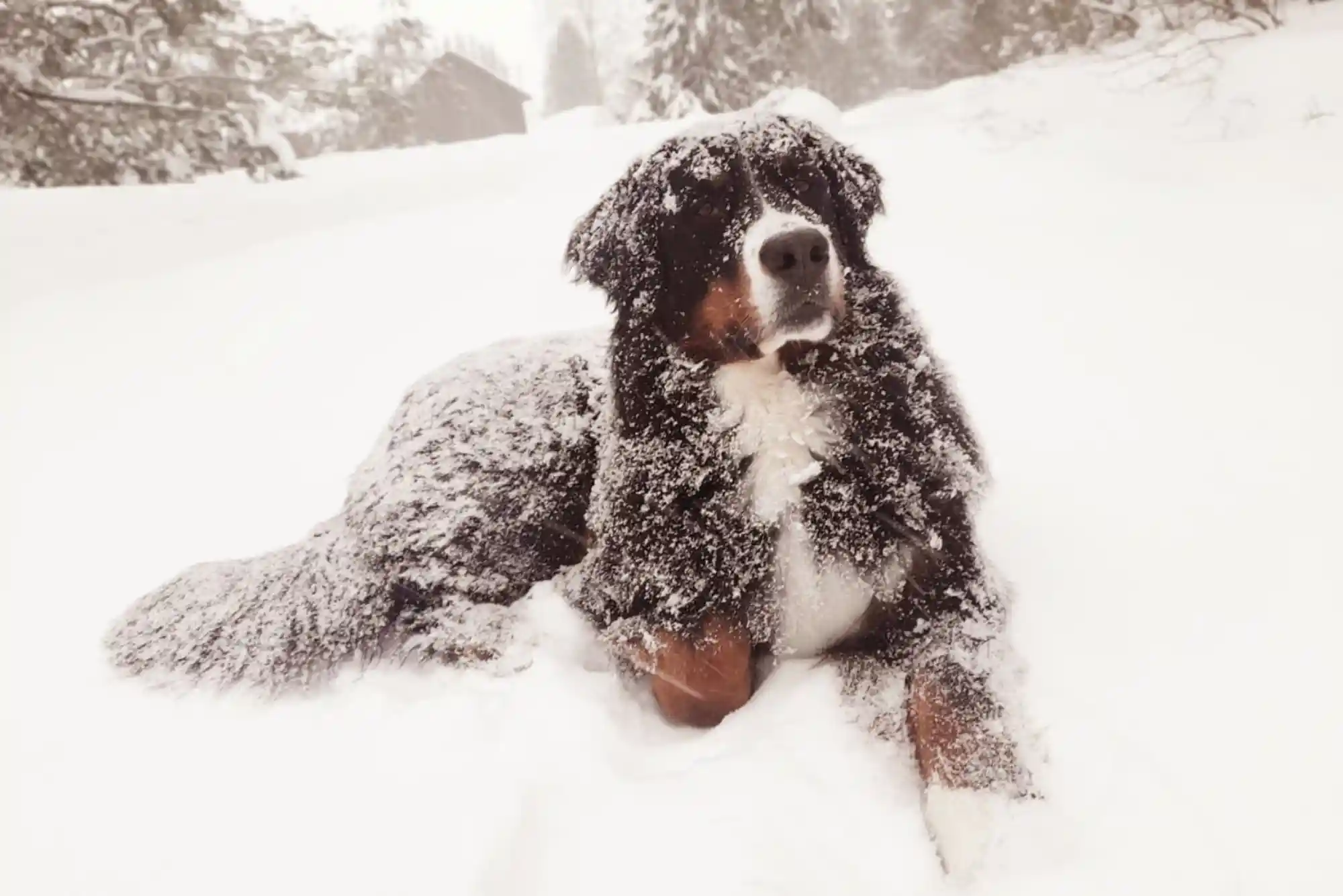
Introduction
Winter brings crisp air, snowy walks, and joyful moments with our furry companions. However, freezing temperatures also pose hidden dangers to pets. Many pet owners assume a thick fur coat protects dogs from harsh winter weather. Unfortunately, severe cold can quickly lead to life-threatening conditions. Recognizing the signs of hypothermia and frostbite in dogs is essential for every responsible owner. Knowing cold weather safety temperature limits protects your dog from emergency vet visits. This comprehensive guide explores everything you need to keep your canine companion safe and warm all winter long.
Understanding Canine Cold Weather Vulnerability
Why Dogs Are Not Immune to Cold
Dogs have higher internal body temperatures than humans, but they still feel the chill. Their natural insulation varies dramatically based on breed, coat thickness, age, and health status. Small dogs, short-haired breeds, puppies, and seniors lose body heat very rapidly. Even large, thick-coated breeds like Huskies can suffer in extreme sub-zero blizzards if left exposed too long. Humidity and wind chill drastically lower the effective temperature outdoors. Therefore, understanding your specific dog’s physical limitations is the first step toward winter safety.
General Temperature Safety Guidelines
Veterinarians use general temperature guidelines to help owners decide when it is too cold outside. Temperatures above forty-five degrees Fahrenheit are generally safe for most healthy dogs. When the thermometer drops between thirty-two and forty-five degrees, small or elderly dogs may feel uncomfortable. Once temperatures fall below thirty-two degrees Fahrenheit, medium and large dogs require close monitoring. Temperatures under twenty degrees pose a serious risk of hypothermia and frostbite within minutes. Extreme cold below zero means outdoor activity should be strictly limited to quick bathroom breaks. Wind chill factors can make even thirty-degree weather feel like twenty degrees, accelerating heat loss.
Recognizing the Signs of Hypothermia in Dogs
Early Stages of Mild Hypothermia
Hypothermia occurs when a dog’s body temperature drops dangerously below normal limits. In the early stages, your dog will start shivering violently as the body tries to generate heat. You might notice them acting lethargic, weak, or unusually quiet during a walk. Their paws, ears, and tail tip may feel remarkably cold to the touch. Seeking warmth, whimpering, or clinging to your legs can also be early behavioral warning signs. Catching these initial symptoms lets you act before the situation escalates into a medical crisis.
Advanced Stages of Severe Hypothermia
As core body temperature continues to plummet, mild hypothermia transitions into a severe emergency. Shivering mysteriously stops because the body no longer has the energy to generate heat. Your dog may become stiff, uncoordinated, or completely unresponsive to your voice. Breathing slows down significantly, and their heart rate becomes weak and irregular. Gums and skin may appear pale or even bluish due to poor peripheral circulation. Immediate veterinary intervention is critical at this stage to save your dog’s life. Internal organ failure can occur rapidly if severe hypothermia remains untreated.
Identifying Frostbite in Dogs
What Is Frostbite and How It Happens
Frostbite happens when extreme cold causes body tissues to freeze, usually affecting peripheral extremities. Blood vessels constrict violently to protect core organs, reducing blood flow to paws and ears. Ice crystals form inside the tissue cells, causing severe cellular damage. The most vulnerable areas include ear tips, tail tips, paw pads, and scrotal tissue. Frostbite may not become immediately obvious until hours or even days after outdoor exposure.

Symptoms of Frostbite to Watch For
Initial signs of frostbite include pale, gray, or bluish discoloration in the affected skin. The skin feels hard, cold, and brittle when you gently touch the area. Once the tissue begins to thaw, it becomes extremely painful, swollen, and red. Blisters or skin ulcers may form on the damaged areas during the recovery process. In severe cases, blackened dead tissue develops, which may eventually require surgical amputation. Never rub or massage frostbitten tissue because friction causes further cellular destruction.
Immediate First Aid and Emergency Care
Safe Rewarming Techniques for Hypothermia
If you suspect your dog has mild hypothermia, move them indoors immediately. Wrap your pet in warm, dry blankets straight from the dryer. You can use a heating pad set to a low temperature wrapped in a protective towel. Place warm water bottles near their torso, avoiding direct contact to prevent burns. Offer warm broth or water if your dog is fully alert and able to swallow. Never use hair dryers or hot water baths because rapid warming causes dangerous shock.
Handling Suspected Frostbite Safely
Gently move your frostbitten dog to a warm, comfortable indoor environment. Apply warm, damp cloths to the affected areas using gentle pressure without rubbing. Avoid using direct high heat sources like heating lamps or open fires. Contact your veterinarian immediately for professional guidance and pain management medication. Professional medical care prevents deep tissue necrosis and manages painful recovery complications. Quick veterinary attention ensures the best possible clinical outcome for injured tissues.
Cold Weather Safety Tips for Dog Owners
Adjusting Outdoor Routines in Winter
Modify your daily walking routine to match the freezing weather conditions. Keep walks shorter and more frequent rather than long marathon excursions. Protect sensitive paws from ice melt chemicals, road salt, and sharp ice crusts. Consider investing in high-quality dog booties and a well-fitted insulated winter coat. Clear a dedicated path in your yard so your dog can relieve themselves comfortably.
Nutrition and Hydration Adjustments
Dogs burning extra calories to stay warm outside may need slight food increases. Consult your veterinarian before changing your pet’s daily caloric intake or diet. Ensure your outdoor-access dogs always have unfrozen fresh drinking water available. Snow is never an adequate substitute for clean, fresh water because eating snow lowers body temperature. Proper indoor humidity and comfortable bedding also support overall winter wellness.
Frequently Asked Questions
At what temperature is it too cold to walk a dog?
Temperatures below twenty degrees Fahrenheit present a high risk for most dogs. Small dogs, puppies, and short-haired breeds can feel unsafe below freezing. Always monitor your individual dog for shivering or lifting paws.
How can I protect my dog paws in winter ice?
Use protective dog booties or apply veterinary-approved paw balms before walks. Wipe your dog paws thoroughly with a warm damp cloth after returning indoors. This removes harsh ice melt chemicals and road salts.
Can dogs get hypothermia inside a cold house?
Yes, poorly insulated homes or unexpected power outages during winter storms cause indoor hypothermia. Keep indoor temperatures comfortable and provide plenty of warm blankets. Senior pets are especially vulnerable to indoor drafts.
What should I do if my dog shows signs of frostbite?
Move your dog inside, apply warm damp cloths gently, and call your veterinarian. Never rub frostbitten skin or use direct hot air. Professional veterinary care ensures proper healing and infection prevention.
Conclusion
Winter weather requires extra vigilance from every devoted pet parent. Recognizing early signs of hypothermia and frostbite saves lives during freezing months. Always respect cold weather safety temperature limits to keep your canine companion thriving. Share this article with fellow dog owners to spread vital winter safety knowledge. Subscribe to our pet care newsletter today for more expert seasonal health tips! Stay prepared, keep warm, and enjoy a safe winter season together!
Related Reading: How to Fly Internationally with a Dog: Cabin Dimensions, Pet Passports, and IATA Rules