
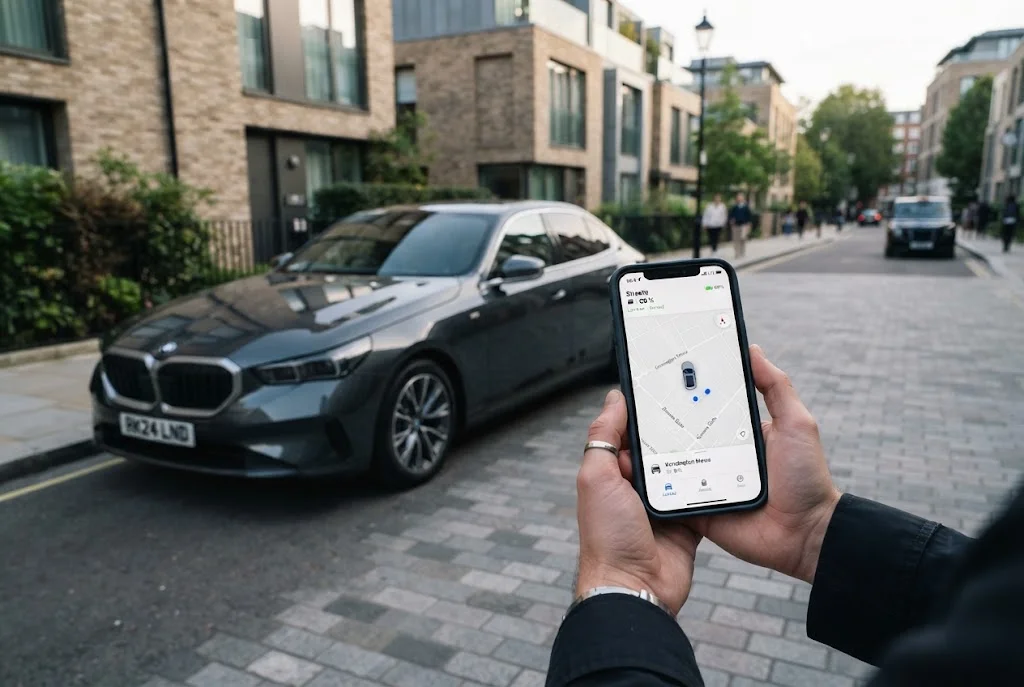
Car security has changed significantly as vehicles have become more connected and technology-driven. Modern cars now feature sophisticated alarms, immobilisers, keyless systems and digital controls, but vehicle owners are also turning to additional technologies to improve visibility and security.
One of the most practical examples is vehicle tracking. GPS-based tracking systems can give owners access to information about their vehicle’s location and, depending on the system, provide alerts when unexpected movement occurs.
For drivers of premium vehicles and everyday cars alike, tracking technology can form another layer of protection alongside existing vehicle security measures.
What Is Vehicle Tracking Technology?
Vehicle tracking technology typically combines GPS positioning with mobile connectivity to determine where a vehicle is located and communicate relevant information to the user.
Depending on the device and service, information may be accessed through a smartphone application or an online platform. Some systems can provide regular location updates, while others may offer additional features such as movement alerts and journey history.
The exact functionality varies between tracking systems, so vehicle owners should consider their individual requirements before choosing a product.

Why Is Vehicle Tracking Becoming More Popular?
The growth of connected technology has changed what drivers expect from their vehicles. People are increasingly accustomed to managing devices, receiving notifications and accessing information remotely through their smartphones.
Vehicle tracking follows the same general trend. Instead of relying solely on physical security measures, owners can use digital technology to gain additional visibility over their cars.
This can be particularly useful for people who regularly park their vehicles in public car parks, shared residential areas, workplaces or other locations where they may not have direct visibility of the vehicle.
How GPS Can Improve Vehicle Visibility
GPS technology allows a tracker to determine a vehicle’s geographical position. When combined with an appropriate communication network, this information can be sent to a connected platform.
For example, an owner may be able to check the vehicle’s location through an app rather than physically visiting the parking location.
This additional visibility can provide reassurance and may also become useful if the vehicle moves unexpectedly.
Modern Car Security Requires More Than One Layer
No single security feature can completely eliminate the risk of vehicle theft. This is why a layered approach can be more practical.
A driver might combine the manufacturer’s alarm and immobiliser with secure parking, sensible key management, physical security devices and a tracking system.
Each measure serves a different purpose. While physical and electronic security features can make unauthorised access more difficult, a tracker can provide useful location information if the vehicle is moved.
Tracking Premium Vehicles
Vehicle tracking can be especially appealing to owners of premium and desirable cars. Higher-value vehicles may warrant additional attention when it comes to security because replacing them can be expensive and their technology can make them attractive targets.
For example, a Range Rover tracker can provide an additional way for an owner to monitor the location of a premium SUV.
The same principle applies to other high-value vehicles. A Lexus tracker can offer additional location visibility for owners who want to complement their vehicle’s existing security features.
What Features Should Drivers Look For?
Tracking products can differ considerably in terms of functionality. Before choosing a system, drivers should understand which features are genuinely useful for their situation.
Some factors worth considering include:
- Location accuracy and update frequency.
- Mobile application availability.
- Movement or tamper alerts.
- Journey and location history.
- Installation requirements.
- Power and battery arrangements.
- Network connectivity.
- Subscription and ongoing service costs.
- Customer support.
Comparing these factors can help buyers select a system based on actual requirements rather than simply choosing the cheapest available device.
Mobile Apps Make Tracking More Convenient
One of the biggest advantages of modern tracking systems is the ability to access information through a smartphone. Instead of requiring specialist equipment, many systems are designed around familiar mobile interfaces.
A well-designed app can make it easier to check vehicle location, review relevant information and receive notifications while away from the car.
This reflects a broader trend in automotive technology, where smartphones are increasingly becoming an important part of the connected vehicle experience.
Can Tracking Help If a Vehicle Is Stolen?
Vehicle tracking may provide useful information following an unauthorised movement or theft. If the system continues transmitting location data, that information could potentially assist with identifying where the vehicle has travelled.
However, tracking technology should not be considered a guarantee of vehicle recovery. If a vehicle is stolen, the owner should contact the police and follow the appropriate recovery procedures rather than attempting to retrieve the vehicle themselves.
The value of a tracker is primarily that it can provide additional information when the owner otherwise might have very little visibility over the vehicle’s whereabouts.
Vehicle Tracking and Everyday Driving
Tracking technology is not necessarily useful only in theft situations. Depending on the system, location history and other features may have practical applications during normal vehicle ownership.
For example, some drivers may want to review previous journeys or understand where a vehicle has been used. Families with multiple drivers may also appreciate having greater visibility over a shared vehicle.
Businesses can have additional reasons to consider tracking technology, particularly when several vehicles are being used as part of daily operations.
Installation and Compatibility Matter
Modern vehicles contain increasingly complex electrical and electronic systems, so compatibility and installation should be considered before purchasing a tracker.
Some devices are designed for specific installation methods, while others may offer different power options. Vehicle owners should follow the manufacturer’s instructions and determine whether professional installation is recommended.
It is also sensible to check whether installing an aftermarket device has any implications for the vehicle manufacturer’s requirements or an existing warranty.
Tracking Is Not a Replacement for Insurance
Although tracking can provide an additional security layer, it does not replace appropriate motor insurance.
Insurance and vehicle tracking serve different purposes. Insurance provides financial protection subject to the terms of a policy, while tracking technology provides location and monitoring capabilities.
Drivers should therefore consider both their insurance requirements and their security needs independently. If an insurer has specific requirements concerning approved security devices, those requirements should be checked before installation.
Other Technology Helping Drivers Protect Their Cars
Vehicle tracking is only one part of the wider automotive security technology landscape. Modern vehicles can include systems designed to detect unauthorised entry, prevent engine starting and provide alerts about unusual activity.
Drivers can also use connected smartphone services, parking cameras and physical security equipment depending on their circumstances.
The most effective approach is often to combine suitable technologies with simple security habits rather than relying entirely on one device.
Simple Steps That Can Improve Vehicle Security
Technology works best when supported by sensible everyday habits. Drivers can reduce unnecessary risks by taking a few practical precautions:
- Park in secure and well-lit locations where possible.
- Keep vehicle keys away from easily accessible doors and windows.
- Do not leave valuable items visible inside the car.
- Use additional physical security where appropriate.
- Keep relevant vehicle software and security systems updated.
- Review insurance cover regularly.
- Consider tracking technology when additional location visibility is required.
These steps cannot completely eliminate the possibility of theft, but they can contribute to a more comprehensive security strategy.
The Future of Connected Vehicle Security
As automotive technology continues to develop, vehicle security is likely to become increasingly connected. Smartphones, cloud-based services, GPS technology and vehicle sensors are already changing how owners interact with their cars.
Future systems may provide even more detailed information and faster notifications, making digital monitoring a more familiar part of vehicle ownership.
For drivers, the key will be choosing technology that provides genuinely useful protection without adding unnecessary complexity.
Final Thoughts
Vehicle tracking represents an important development in modern car security. By providing additional location visibility, it can complement traditional security features and give owners greater awareness of what is happening with their vehicles.
Whether protecting a premium SUV, a family car or a business vehicle, the right tracking system can become a useful part of a wider security strategy.
As cars become increasingly connected, technologies such as GPS tracking are likely to play an even greater role in helping drivers manage and protect their vehicles.