
The Technological Trigger in Fine Jewelry
For centuries, the concept of luxury in the fine jewelry sector was rigidly defined by scarcity and the arduous process of extraction. The narrative was simple: the deeper you had to dig into the earth and the more rare a stone was perceived to be, the higher its value. However, we are currently living through a period of unprecedented technological disruption that has fundamentally triggered a shift in this narrative. The advent of advanced laboratory techniques has completely redefined what it means to own a piece of luxury, moving the industry away from reliance on finite natural resources and towards a future built on human ingenuity and scientific precision.
This technological trigger has not diminished the allure of diamonds; rather, it has enhanced it by removing the ethical and environmental shadows that have historically clouded the industry. By replicating the exact conditions under which diamonds form in nature, scientists are producing stones that are optically, chemically, and physically identical to their mined counterparts. This breakthrough has democratized access to high-quality gems and introduced a new paradigm where transparency, sustainability, and technological achievement are the true markers of modern luxury. The modern consumer is no longer just buying a stone; they are investing in a marvel of modern science.
Global Expressions of Tech-Driven Elegance
The impact of this technological revolution is not confined to a single market; it is a truly global phenomenon. From the historic diamond districts of Europe to the bustling fashion capitals of Asia and the thriving metropolitan hubs of Australia, the adoption of tech-created gems is reshaping international luxury standards. Consumers worldwide are recognizing that they no longer have to compromise their ethical standards to enjoy breathtaking jewelry.
To see how this global shift is playing out, one only needs to look at emerging trends in major cities around the world. A fascinating example of this widespread adoption can be seen in the rising demand for engagement rings Adelaide, where the preference for ethically sourced, technologically advanced stones mirrors the trends seen in major European and American markets. This global expression of modern luxury proves that the desire for sustainable, brilliant jewelry transcends borders. It highlights a universal shift in consumer consciousness—a collective decision to support practices that protect the planet while celebrating life’s most significant moments.
The Science Behind the Sparkle
To truly appreciate the luxury of these modern gems, it is essential to understand the science that makes them possible. The creation of a laboratory-grown diamond relies on two primary technological processes: Chemical Vapor Deposition (CVD) and High Pressure High Temperature (HPHT). The HPHT method simulates the crushing pressure and intense heat found deep within the earth’s mantle, effectively mimicking natural geology inside a highly controlled machine. The CVD method, conversely, utilizes a vacuum chamber where carbon-rich gases are broken down into plasma, allowing carbon atoms to meticulously build a diamond crystal atom by atom.
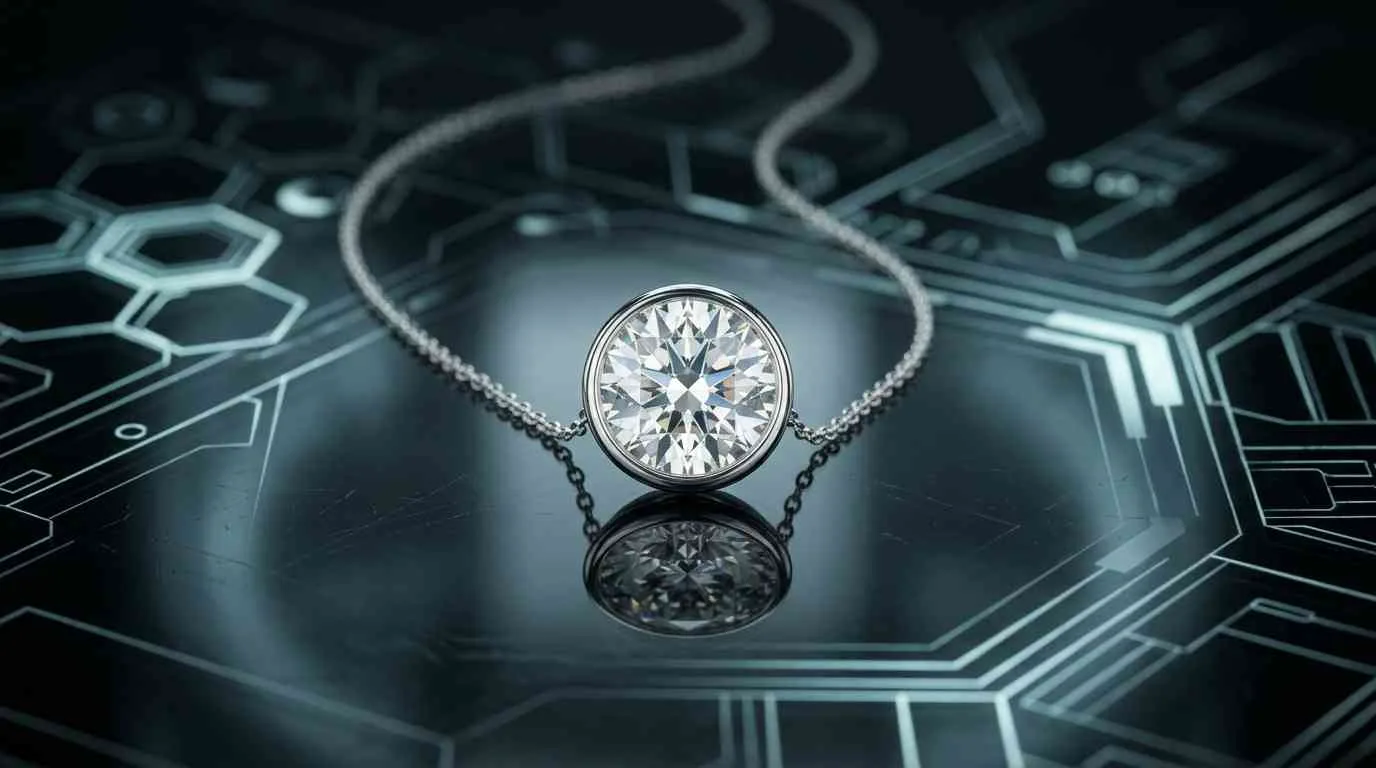
The result of these highly advanced processes is nothing short of spectacular. Because the environment is entirely controlled, scientists can cultivate stones that are free from the unpredictable impurities often found in nature. This level of precision is why modern jewelry crafted with these stones is so highly sought after. For those looking to showcase this flawless technology, a lab grown diamond pendant serves as the perfect centerpiece. Worn close to the heart, it acts as a stunning focal point that perfectly illustrates the breathtaking clarity and fire that modern science can achieve. It is not just an accessory; it is a wearable piece of cutting-edge technology.

Analyzing the Environmental Impact
One of the most significant factors driving the adoption of tech-created luxury is the undeniable environmental benefit. The contrast between traditional mining and laboratory cultivation is stark and compelling. For the modern consumer, understanding this impact is a critical part of the luxury experience.
| Environmental Factor | Traditional Mined Impact (Per Carat) | Tech-Grown Impact (Per Carat) |
|---|---|---|
| Earth Displaced | Approximately 250 tons of earth must be excavated, leading to habitat destruction and soil erosion. | Zero earth displaced. The process occurs entirely above ground in controlled laboratory facilities. |
| Water Usage | Requires roughly 120 gallons of water, often stressing local water supplies in arid regions. | Requires approximately 18 gallons of water, representing a massive reduction in resource consumption. |
| Carbon Emissions | Produces over 125 pounds of carbon emissions, heavily reliant on diesel machinery and long supply chains. | Significantly lower emissions, with many modern laboratories transitioning to 100% renewable energy sources. |
The data in this table provides a clear rationale for the shift in consumer behavior. When luxury is redefined to include environmental stewardship, the tech-grown option is the only logical choice for the conscientious buyer. True luxury should not come at the expense of the earth.
The Future of Wearable Tech and Luxury
The intersection of technology and fine jewelry is only in its infancy. As the science of diamond cultivation continues to advance, we can expect to see even greater efficiencies, larger carat weights, and unprecedented levels of clarity and color control. The boundaries of what is possible in jewelry design will continue to expand as designers work with materials that are consistently flawless and ethically unimpeachable.
The era triggered by this technological advancement is one of hope and incredible beauty. It proves that human innovation can provide solutions that satisfy our desire for luxury without compromising our ethical obligations to the planet and its people. As we move forward, the definition of global luxury will undoubtedly be inextricably linked to the brilliant, sustainable science that makes these extraordinary stones possible.